
Residential Pressure Washing
RESIDENTIAL PRESSURE WASHING IN FORT WASHINGTON, MD
The muggy stretch here runs 4.1 months, from May 23 through late September, and July alone averages 20 days with a dew point above 70 degrees. Siding never fully dries in that window, so growth takes hold on shaded walls first. Metro Mobile Pressure Washing handles residential pressure washing on vinyl, brick, painted trim, porches, steps, patios, and walkways throughout Fort Washington, MD, matching the pressure and the cleaning solution to each material instead of running one setting across an entire house.
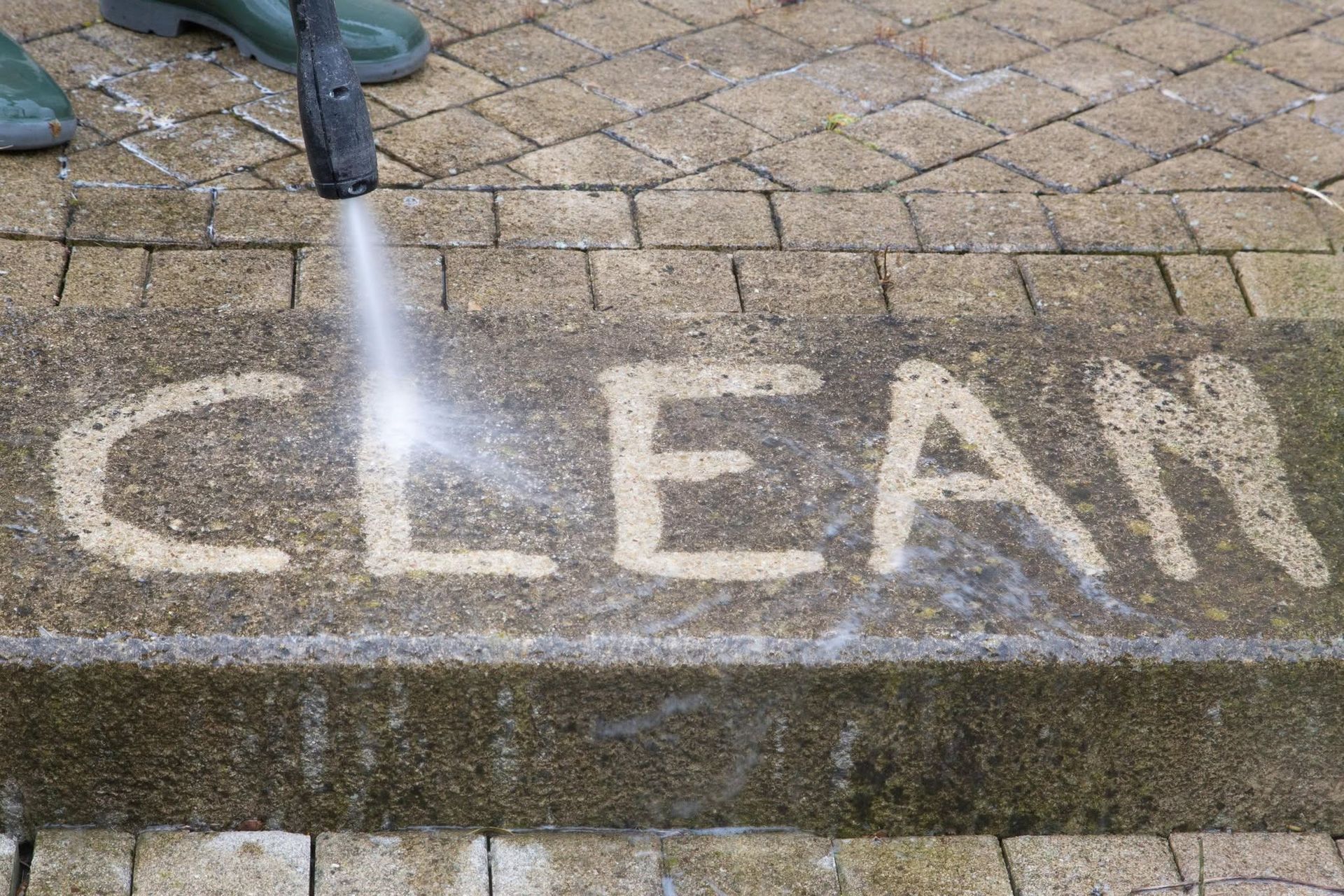
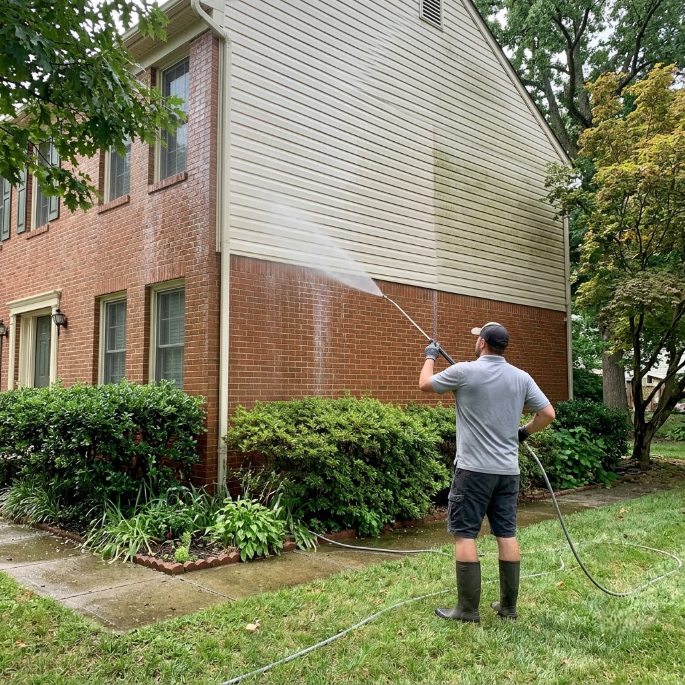
A HOUSE WASH IS NOT A LOUDER GARDEN HOSE.
Anyone can rent a machine and point it at a wall. What that misses is that the green on your siding is alive, and pressure alone knocks the top off it while leaving the rest to grow back by August. The solution has to reach the growth, sit on it long enough to work, and then rinse away clean.
So we lead with chemistry and finish with water, at the lowest pressure that will do the job. The wall gets cleaned rather than blasted, and the result holds through the next humid season.
- Solution applied first, water second
- Beds soaked and rinsed on both ends
- Spray angled down, never up under panels
- Every elevation finished the same day
RESIDENTIAL PRESSURE WASHING
YOUR SIDING IS HOLDING WATER YOU CANNOT SEE.
Algae is not a stain sitting on top of the surface. It is an organism with a foothold in the texture of the panel, and it keeps a thin layer of moisture pressed against your wall through every warm night. That moisture works on caulk lines, window seals, and the wood behind them. Removing the growth removes the damp, and the wall goes back to drying the way it was designed to.
PRINCE GEORGE'S COUNTY HOUSES SHARE THE SAME THREE PROBLEMS.
North elevations go green first, because they get the least sun and stay wet the longest. Gutter faces streak black from asphalt residue running off the roof. Concrete walks and steps hold winter salt long after the plows have finished. Nearly every house we quote in Oxon Hill, Accokeek, or Clinton shows some mix of those three, and all three respond to different treatment.
WE KNOW WHAT 1970s SIDING WILL AND WILL NOT TAKE.
Most housing stock around here dates to about 1979, and vinyl that old behaves nothing like a panel hung last year. It has gone chalky, it flexes more, and it will hold a pressure scar permanently. Across 26 years we have learned exactly where that line sits on aged material, which is why we test a low corner before committing to a setting. Should we take a look at yours?
WHY CHOOSE US FOR RESIDENTIAL PRESSURE WASHING.
SIDING THAT MATCHES END TO END
No bright patch where the wand lingered and no dull band under the eave. Your whole exterior comes back to one consistent color, which is the only result that reads as clean from the street.
LANDSCAPING THAT SURVIVES THE DAY
Beds go into the job wet and come out rinsed. Hostas, boxwoods, and new plantings near the foundation are the first casualties of a careless wash, and that is avoidable with a few extra minutes.
PAINT AND CAULK THAT LAST LONGER
Constant damp breaks down sealant and lifts paint at the edges. Taking the growth off the wall takes the moisture with it, and every coating on that surface gets more years out of the deal.
A HOUSE THAT PHOTOGRAPHS WELL
Whether you are listing, refinancing, or hosting, the first impression happens before anyone reaches the door. Clean siding and a clean walk change how the whole property reads in a photograph and in person.
NO WATER DRIVEN BEHIND A PANEL
Siding sheds water from above, not from below. Spray aimed upward finds the gap under every course and puts water inside the wall, so we keep the angle level or downward on every pass.
ONE VISIT FOR THE WHOLE EXTERIOR
Siding, porch, steps, patio, and walkway handled in a single mobilization rather than three separate appointments. Fewer disruptions for you, and every surface finished to the same standard on the same day.
our services
OUR RESIDENTIAL PRESSURE WASHING WORK
A house is a collection of very different materials sitting inches apart. These are the surfaces we treat on a typical residential visit, each with its own pressure, its own chemistry, and its own order of operations.
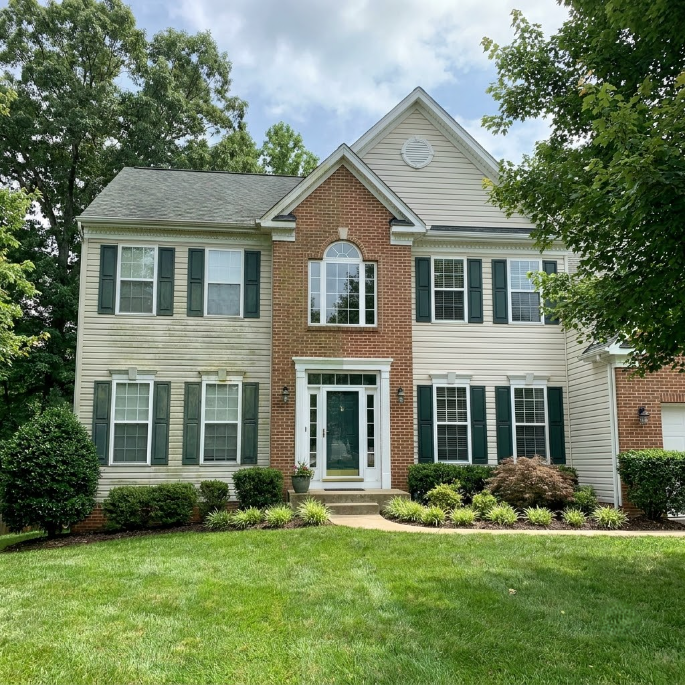
VINYL AND TRIM
House Siding Washing
Full elevations cleaned from soffit to foundation, including shutters, fascia, and the trim boards around every opening. Low pressure with a dwelling solution lifts algae and pollen film without chalking older vinyl or stressing seams.
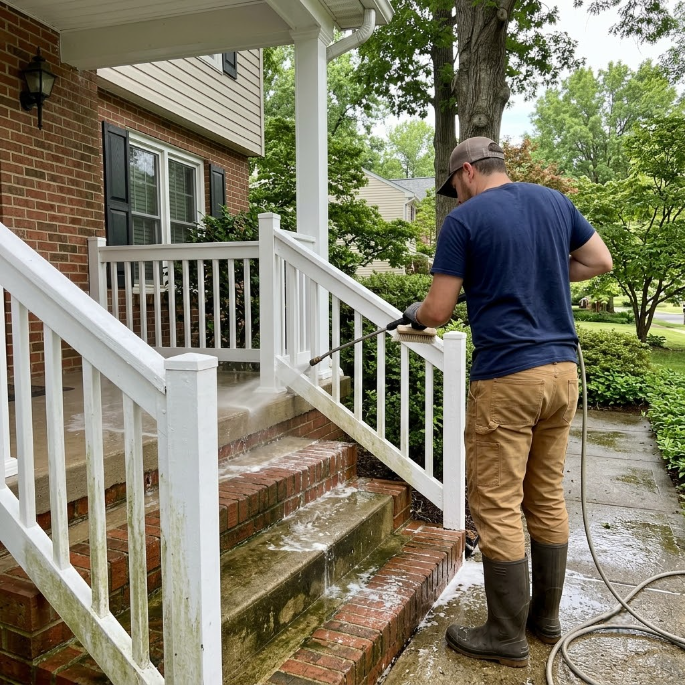
ENTRY POINTS
Porches, Steps, and Railings
The surfaces guests touch and stand on get individual attention. Painted rails, concrete treads, brick risers, and column bases each take a different setting, and all of them show neglect faster than the siding does.
OUTDOOR LIVING
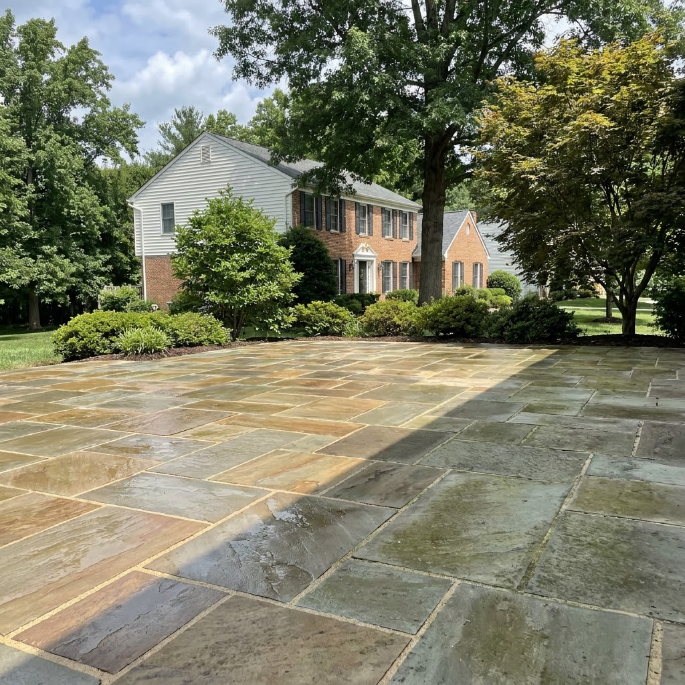
Patios and Stone Paving
Brick, flagstone, and poured patios cleaned with attention to the joints. Pressure aimed straight into a joint washes out the sand holding everything in place, so we work at an angle and keep the bedding intact.
HARD SURFACES
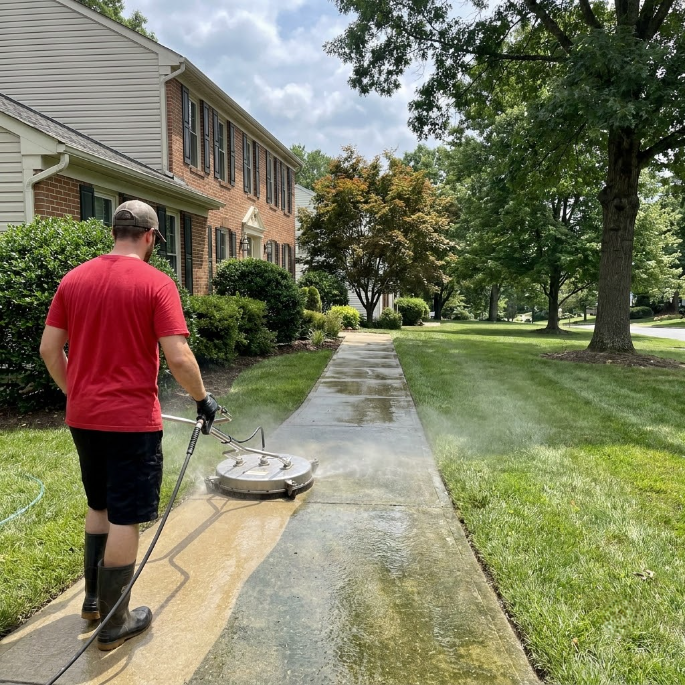
Walkways and Front Paths
Approach paths and side walks cleaned with a rotary surface cleaner for consistent coverage. Algae film is what makes a walkway slick underfoot in spring, and it comes off along with the ground-in grit.
WOOD CARE
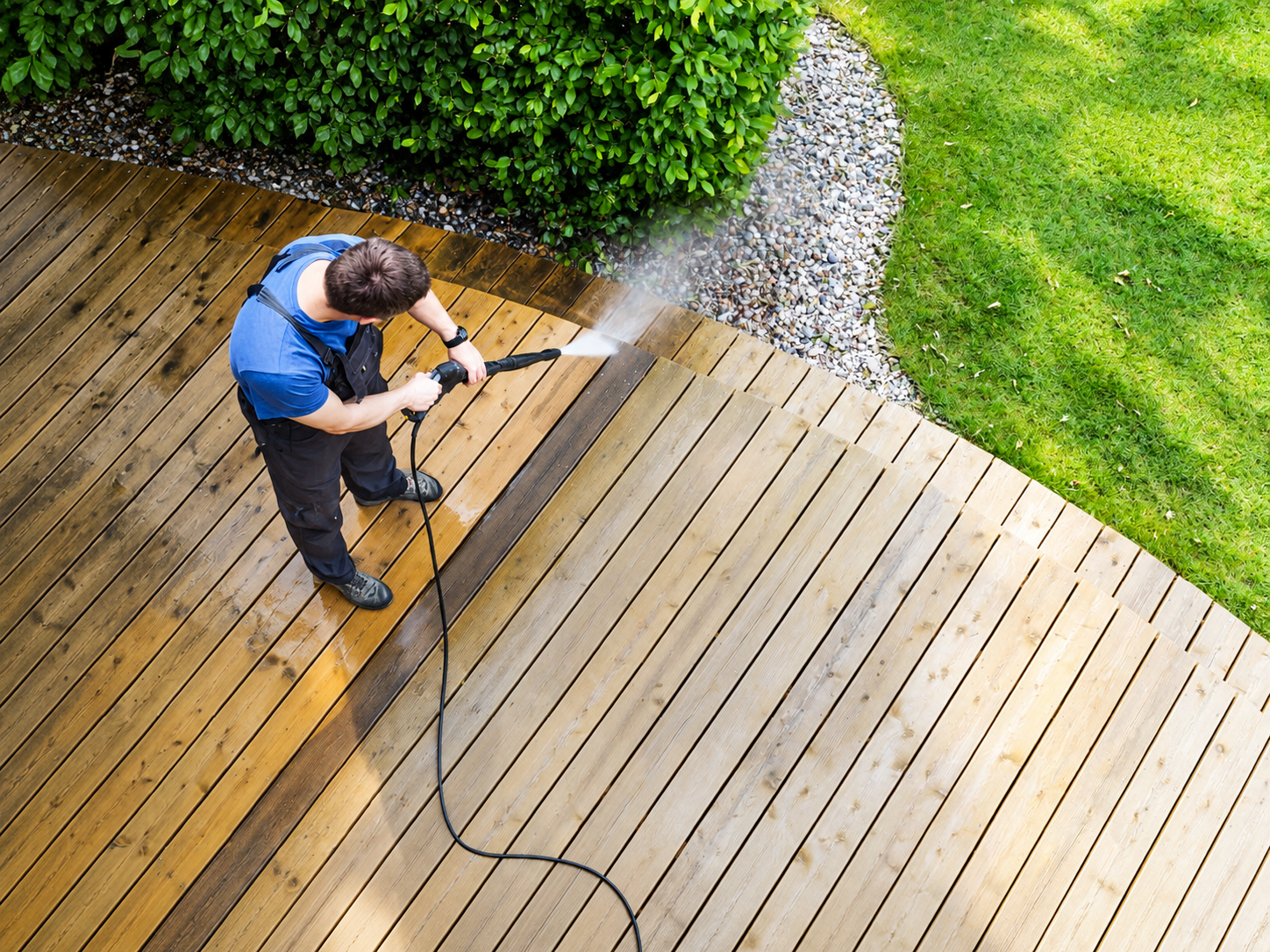
Deck Cleaning
Boards, rails, and stair stringers washed at a pressure that cleans without raising the grain. We work with the boards rather than across them, and we tell you plainly when a deck needs to dry before any finish.
FINISH DETAIL
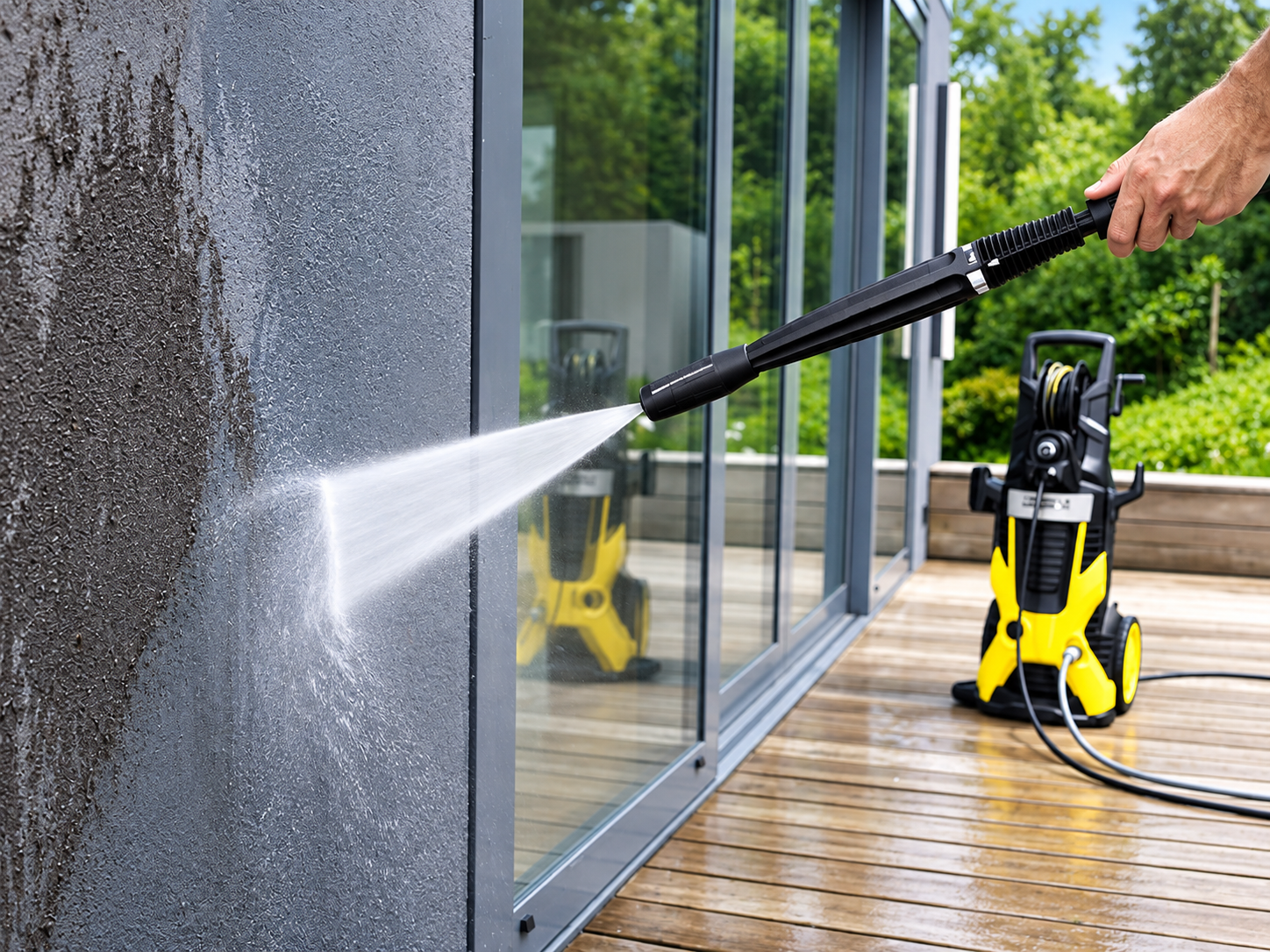
Exterior Window Washing
Glass, frames, and sills cleaned once the walls are done, so nothing runs back down over finished work. Screens get rinsed separately, and the spray stays off seals and weep holes throughout.
THE WORD ON OUR WORK
WHAT OUR CLIENTS SAY.
Homeowners tell us the same two things over and over: that we showed up when we said we would, and that the house looked newer than they expected rather than merely cleaner. One customer said the patio and brick looked like they had just been laid, 15 years on.
FREQUENTLY ASKED QUESTIONS.
These are the questions homeowners ask us on the driveway before we start. Short answers here, and we are happy to go into more detail when we walk your property.
How often should you pressure wash your house?
Once a year suits most houses in this climate. Properties with heavy tree cover, a shaded north wall, or a nearby construction site often want twice, usually a spring visit and a second pass in the fall before the holidays.
When is the best time of year to wash a house?
Spring through early fall, on a dry day between roughly 40 and 75 degrees. Spring clears the winter grime and the first pollen load, while early fall takes off a summer's worth of growth before damp weather sets in.
Will pressure washing damage my siding?
Not when the setting matches the material. Damage happens when someone runs concrete pressure at a vinyl wall or aims the spray upward under the courses. Older, chalky panels need particular care, which is why we test first.
What parts of a house should never be pressure washed?
Asphalt shingles, soffit vents, window seals, air conditioning fins, and anything with loose paint or failing caulk. Those either get a low-pressure soft wash instead or get covered and worked around entirely for the duration of the job.
How long does a house washing take?
Most single-family homes take 2 to 4 hours, and larger properties can run a full day. Metro Mobile Pressure Washing has washed houses around Fort Washington, MD for 26 years, so we can tell you which yours will be.
Do I need to be home during the service?
No, provided we have gate access and know about anything unusual. Plenty of customers in Fort Washington, MD leave for work and return to a finished job. A quick walkthrough with Metro Mobile Pressure Washing at either end still helps.
Can I pressure wash my house myself?
You can, and consumer machines handle a small porch fine. The risk on a full house is pressure scarring, water forced behind panels, and stripes where the wand distance drifted. Those mistakes are difficult and sometimes impossible to undo.
Can a house be pressure washed before it is painted?
It should be. Paint bonds to a clean, sound surface, and coating over algae or chalk shortens the life of the job considerably. Give the walls 2 full days to dry before your painter opens the first can.
FROM FIRST WALK TO FINAL RINSE, HERE IS HOW.
STEP 01
Walk the property together
We start where you have been staring: the wall that bothers you. Then we look at everything else, note the loose trim and the tired caulk, and agree on what is in scope before any equipment comes off the truck.
STEP 02
Protect what water should not reach
Outlets, fixtures, doorbells, vents, and air conditioning units get covered. Beds and shrubs get soaked with clean water so anything that drifts is diluted on contact rather than sitting on a leaf and drying there.
STEP 03
Test a low, hidden section
Before the first full pass, we clean a small area out of sight and read how the material responds. That tells us the pressure, the distance, and the strength of solution the rest of the house will take.
STEP 04
Apply solution and let it work
The cleaning solution goes on and stays on long enough to reach the growth rather than just the color. This is the step that decides whether your siding stays clean for a season or for a year.
STEP 05
Rinse top down at low pressure
Water comes last and comes gently, working downward so nothing runs back over finished surfaces. Angles stay level or down, distance stays consistent, and the whole elevation gets the same treatment corner to corner.
STEP 06
Walk it again before we leave
Beds get a final rinse, covers come off, and we look at every elevation with you. If a spot needs another minute, that happens now, while the truck is still in your driveway and the hoses are still out.
FIND OUT WHAT YOUR HOUSE LOOKS LIKE CLEAN, FREE.
We will walk the exterior, tell you what genuinely needs washing and what can wait a season, and put the whole thing in writing. Senior discounts are available. Reach us through the contact page to arrange a visit.
WHAT YOUR FREE ESTIMATE COVERS:
- Every elevation looked at, not just the front
- The method we would use on each material
- Any loose trim or caulk we spot along the way
- Honest guidance on what can wait
- Water supplied by us, not your outdoor tap
- A written figure with no obligation